

What Parents Really Think About AI for Kids (2026)
ON THIS PAGE
Subscribe To Get Weekly Family AI Discoveries

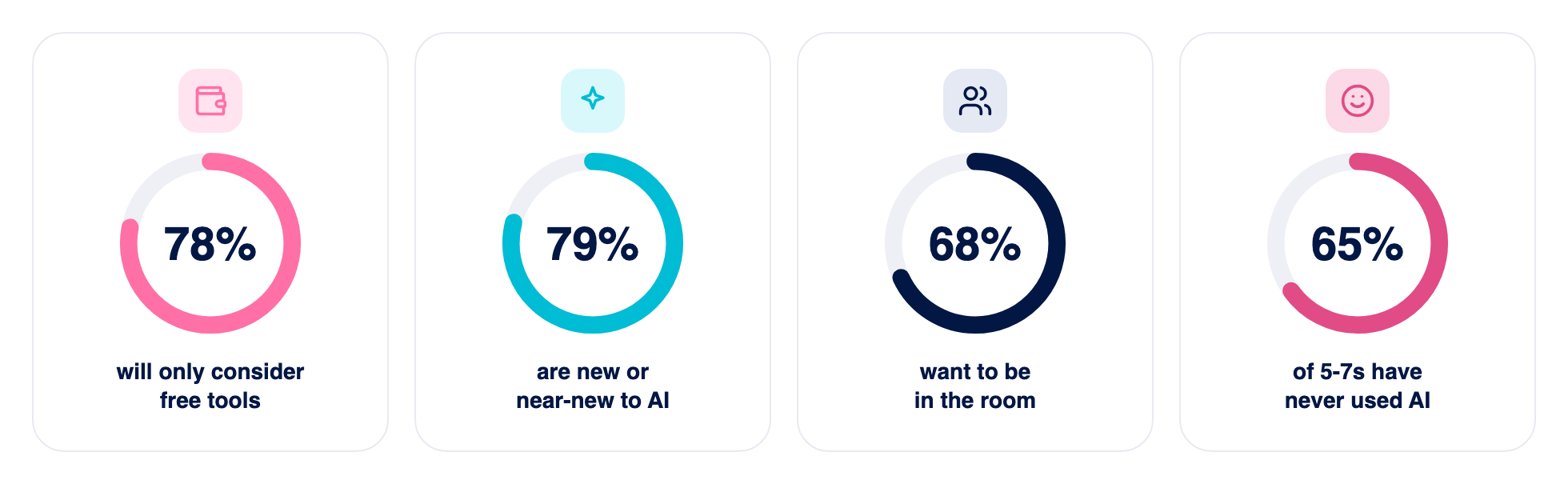
- About 79% of parents are new to AI or have only dabbled, so you are not behind
- 78% will only consider free tools, and the best starting points for young kids are free anyway
- 68% want to be in the room, hands-on or supervising, not hands-off
- Kids want to game, make music and draw far more than they want to write
- 65% of 5 to 7 year olds have never touched AI, so calm, short, together is the right first step
If you are reading this quietly worried that you are behind on AI while everyone else has it sorted, I have good news. You are not, and the data proves it.
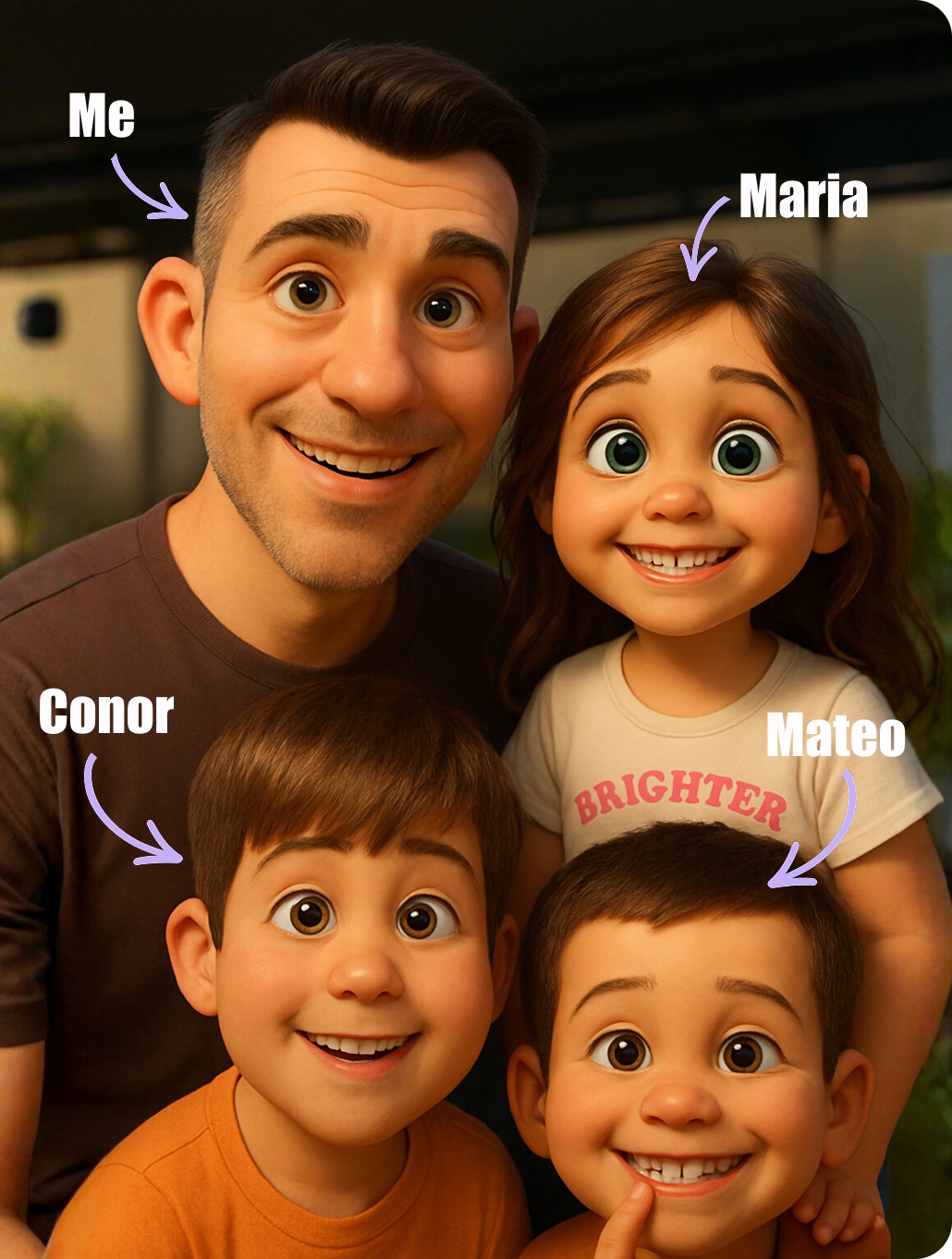
I run AI Dad Lab, where I test AI tools with my three kids, Mateo (8), Maria (6) and Conor (4), and write up the honest results. Over the past year, every parent who has taken our free assessment has answered the same questions about their child and AI. When I pulled those answers together, the clearest picture was not about clever tools. It was about how normal it is to be unsure, and how much parents and AI for kids really comes down to going slowly with free tools you can use together.
Here is what real families told us, what surprised me, and what it means for where you start.
Not sure which tool is right for your child?
Take our free 2-minute quiz and get personalized AI tool recommendations based on your child's age and interests.
You're not behind (most parents are only just starting)
If it feels like every other family has AI figured out and you are the only one still working it out, the data says the opposite. Among the parents who have taken our free AI readiness assessment, about 79% are completely new to AI or have only dabbled. Only around one in five use it regularly with their child.
That matched my own house more than I expected. I have been testing AI tools with Mateo (8), Maria (6) and Conor (4) for over a year, and I still start most sessions by working the tool out alongside them. Being unsure is the normal starting point, not a sign you are late.
💡 Parent Insight: "Behind" assumes there is a race. There isn't. The families getting the most from AI are the ones going slowly and staying involved, not the ones who started first.
Money is the dealbreaker: 78% will only consider free tools
The single clearest finding: about 78% of parents will only consider free tools. Another 8% will stretch to roughly 10 euro a month, and only around 14% are happy to pay for the right tool.
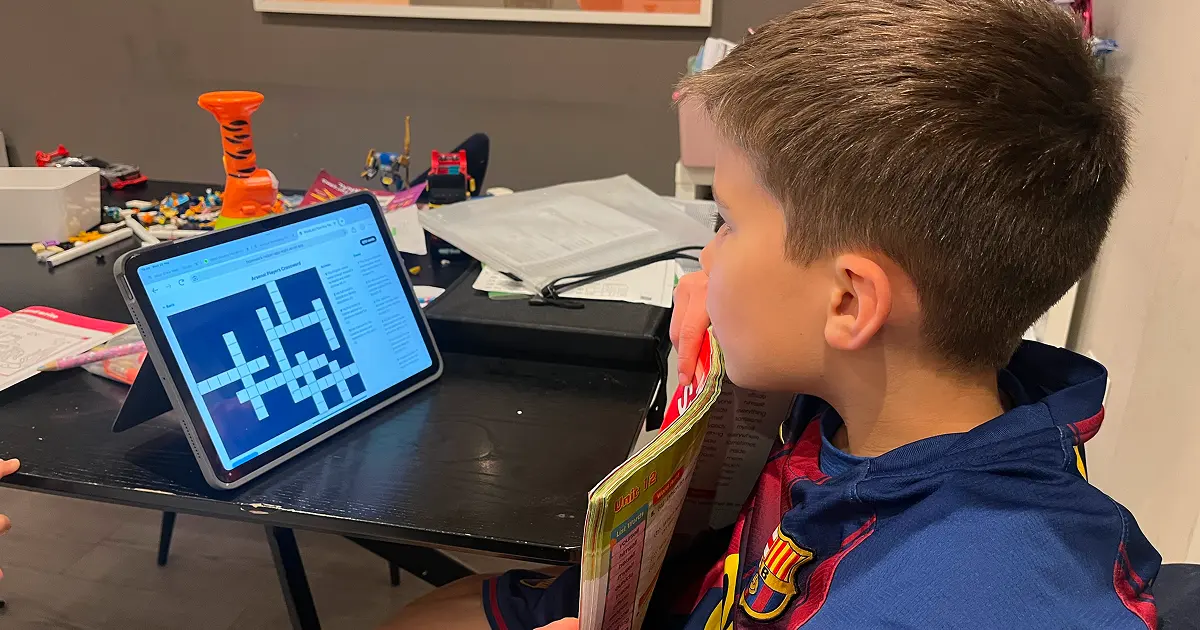
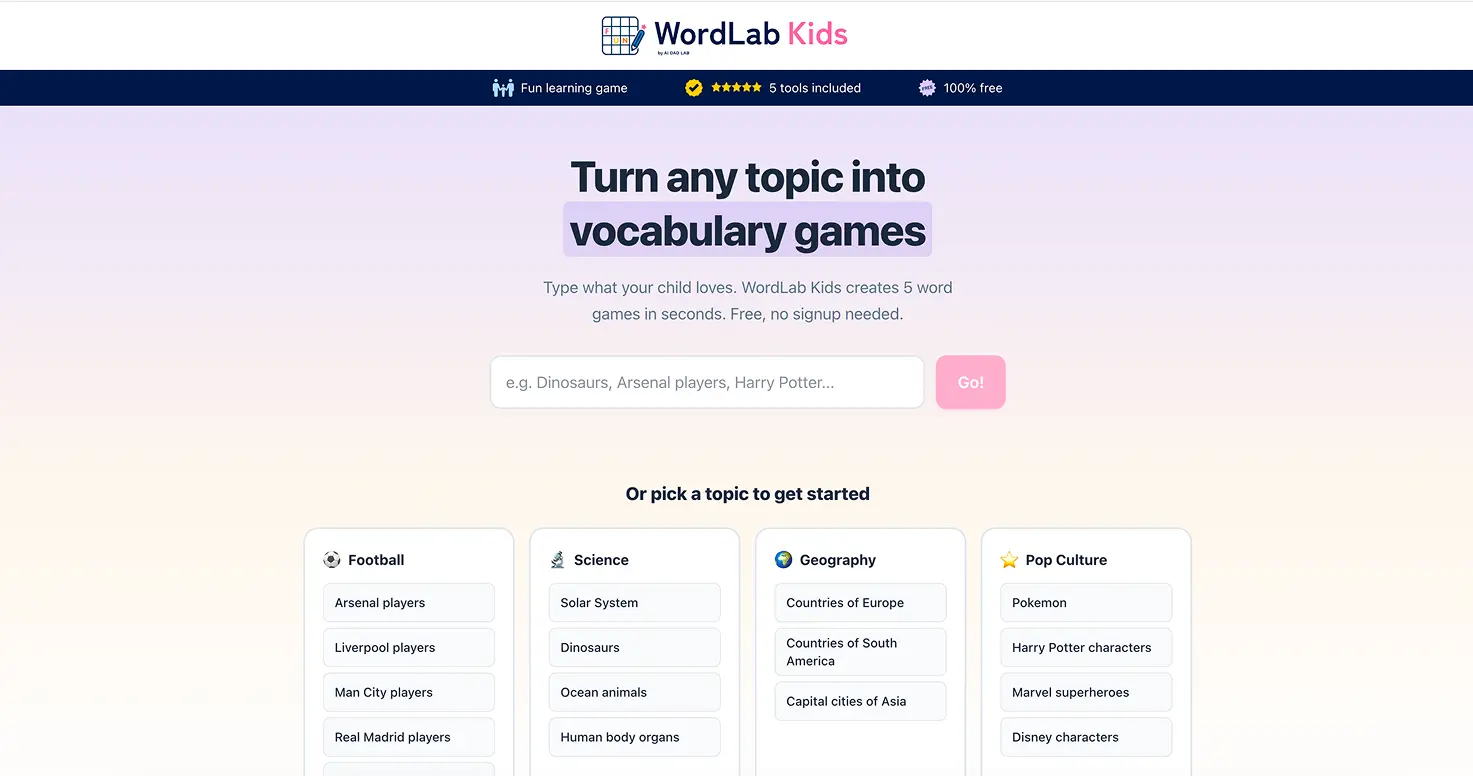
This is exactly how it works with three kids at home. I am not going to pay for five subscriptions just to find the one that sticks, so almost everything we try has a genuinely free way in. The good news is that the best starting points for younger kids are free anyway. Quick, Draw! is a free Google drawing game that shows how AI recognises images, and our own WordLab turns any topic your child is into, whether that is their football team, a favourite cartoon, or sharks, into five free word games.
Parents want to be in the room, not hands-off
About 68% of parents want to be present when their child uses AI, either hands-on and doing it together or nearby and supervising. Only around a third are comfortable with fully independent use.
The split is telling: 41% want to supervise nearby, 32% are happy with independent use, and 27% want to be fully hands-on. For most families the realistic model is co-use. You sit together, you see what the tool does, and you talk about the answers as they come up. That is also the safest way in while your child is still learning what AI is good and bad at.
What kids actually want to do with AI
When parents told us what their child loves doing most, the order was not what I would have guessed. Tap any one to see what it means for choosing tools.
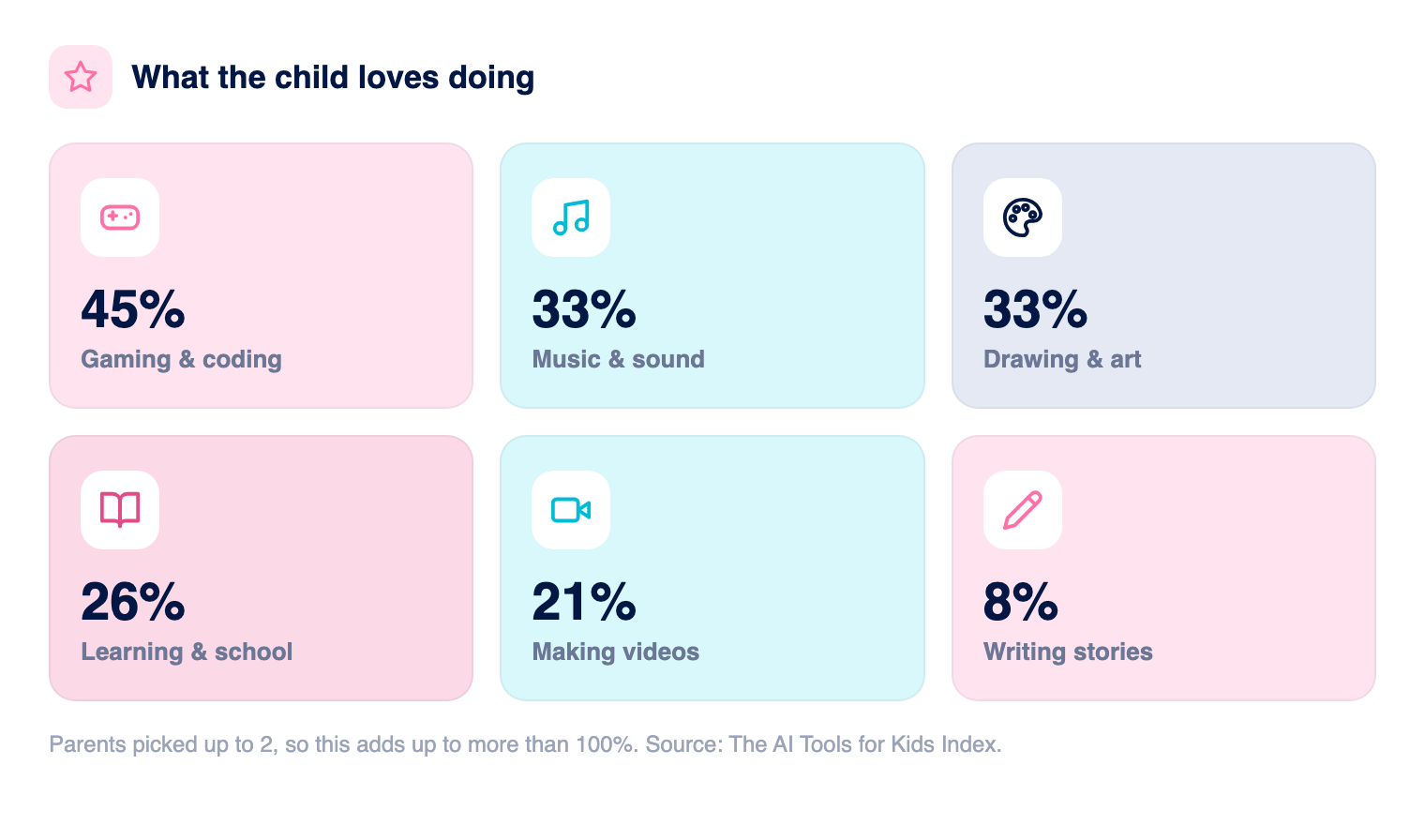
Gaming and coding (45%): the clear leader. Kids who love games respond well to AI that feels playful, like drawing-recognition games or build-your-own-quiz activities, rather than a blank chat box.
Music and sound (33%): strong interest, and a fun co-use activity. Making a silly song together is one of the easiest first projects, and it is low stakes.
Drawing and art (33%): just as popular. Image and drawing tools give an instant creative payoff, which builds confidence fast.
Learning and school (26%): a quarter of parents point here. Vocabulary and topic practice work well because they feel like games, not homework.
Making videos (21%): growing fast with younger kids, though it usually needs the most supervision.
Writing stories (8%): the surprise. Writing came dead last, which is worth remembering before you reach for a chat tool first. Most kids want to make and play, not type.
The practical takeaway: lead with what your child already loves, not with what feels educational to you. If they are into a topic, a quick win is to spin it into a set of games with our step-by-step WordLab guide.
The youngest kids are a blank page
About 65% of parents of 5 to 7 year olds say their child has never touched AI, far higher than any older group. The youngest children are close to a clean slate.
Conor is 4, so he sits right in that greenfield. With him the question is never which advanced tool to use. It is what is one calm, safe thing we can try together for ten minutes. A drawing game he can play on my lap beats anything with a text box he cannot read yet.
🔒 Safety Note: For the under-eights, keep three rules: sit together, never use real names, and keep sessions short. Most mainstream AI tools set a minimum age of 13 in their terms, so younger children should always be co-using with you, not on their own account.
What would actually make it a win
We also asked parents what would make AI a win for them. Feeling confident their child is safe just edged out the child creating something they are proud of. Learning a new skill and having fun together followed.
I find that reassuring. It says most parents are not chasing their child becoming an AI whiz. They want to feel calm that this thing in the house is safe, and they want the odd moment of pride and fun. That is a much more reachable goal, and it is a good filter: if a tool does not leave you feeling more in control, it is not the right one yet.
Three free ways to start this week
If the data nudged you to try something, keep it small. Here are three no-cost starting points that match what kids actually asked for.
For a gamer (any age): open Quick, Draw! and take turns. You sketch, the AI guesses, and you talk about why it gets things right or wrong. It is the easiest way to show a child what AI actually does.
For a topic obsessive: take whatever they are deep into this month and turn it into five quick games with our step-by-step WordLab guide. Because it uses their topic, it lands as play rather than practice.
For a ten-minute win with a little one: sit together and make one silly song or one picture. The goal is not a polished result. It is the two of you seeing what is possible, side by side.
Where this data on parents and AI for kids comes from
These numbers come from real parents who chose to take our family AI readiness assessment, so it is a self-selected group of engaged parents rather than the whole population. Everything is reported as aggregates. We never publish individual responses, and any group with fewer than five people is left out rather than shown as a percentage.
We pulled it together into something we call The AI Tools for Kids Index, a live page that updates as more families take part. You can read the full breakdown, including how the answers shift by your child's age, at aitoolsforkids.com/research. If you want to see where your own family lands, the 2-minute assessment gives you a personalised set of tools and quietly adds your answers to the next edition.
The bottom line
If you take one thing from this, let it be that you are in good company. Most parents are starting from scratch, most will only use free tools, and most want to be right there in the room. That is not caution to apologise for. It is the sensible way in.
So start free, start with what your child already loves, and sit beside them for the first few goes. You do not need a budget or a plan, just ten minutes and a topic they care about.
Want honest reviews of AI tools tested with my own three kids, plus the next edition of the data? Join the parents on my newsletter for safety guides, free family projects, and tools that actually work.
Where does your family land? Take the 2-minute assessment. You get a personalised set of tools for your child, and your answers become part of the next edition of the Index. Take the assessment → |